
Sugarcane Crop (Step12)
RATOON MANAGEMENT
Ratoon crop yield can be achieved at par plant crop with good management practices. The following are the ratoon management practices in sugarcane cultivating zone which can improve the ratoon yield significantly.
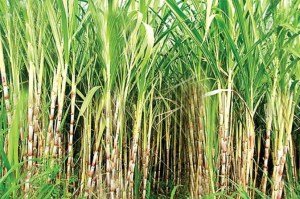
1. TRASH MANAGEMENT
-
Most of the farmers burn the trash in field itself but it can be conserved and trash can add nutrients to the soil.
-
Remove the trashes and keep it near bunds till stubble shaving and off-barring operations are completed and then spread it in the field.
-
Trash mulching conserves soil moisture. Mulched trash can be incorporated into the soil at the time of earthing- up.
2. STUBBLE SHAVING OR STUBBLE PRUNING
-
This is an indispensable operation to raise good ratoon crop.
-
The stubble protruding above ground level are cut close to the ground using a spade.
-
It will induce underground buds to sprout and establish deeper root system.
-
Apply chlorpyriphos 20 EC (2 litres/ac in 300-400 litres water) after stubble shaving.
3. OFF- BARING OR ROOT PRUNING OR SHOULDER BREAKING
-
Cutting sides of the ridges and loosening soils between ridges are the other important operations in ratoon crop. It reduces soil compaction.
-
It can be done manually or using plough or tractor mounted ratoon management device (RMD).
-
The RMD can do harrowing, weeding, dispensing FYM, pesticide, fungicide, fertilizers and earthing- up in a single pass.
4. GAP FILLING
-
If ratoon crop has the gap of more than 60 cm, gap filling is done.
-
For gap filling either use pre-germinated settlings from nursery raised from single bud or stubble of previous crop or normal 3 bud setts.
-
Gap filling significantly increased the cane yield.
5. RETENTION OF WATER SHOOT/ LATE TILLERS
-
Retention of water shoots/late tillers have been found advantageous for obtaining higher ratoon cane yield from late harvested plant cane i.e. in April and May particularly sub-tropical India.
6. WATER MANAGEMENT
-
Watering is done in the field immediately after harvest of plant crop.
-
Ratoons are susceptible to water stress and deficiency for a longer period affects growth and development of the crop.
-
Give timely irrigation, avoid excess irrigation and provide proper drainage to good crop health to attain good yield.
7. HARVESTING
-
It has been observed that good ratoon comes from good plant crop.
-
Therefore, raise the plant crop by applying recommended package of practices of particular agro-climatic zone and harvest plant crop when weather condition is ideal for stubble sprouting.
-
It is recommended that autumn planted cane when harvested early in the crushing season gives better sprouting and ratoon yield.
-
Besides this, harvesting should be done close to the ground level for better sprouting and survival of tillers.
8. INCREASING SPROUTING IN WINTER HARVESTED CROP
-
Spray stubbles with fungicide carbendazim (1gm/litre) + Etherel (plant growth hormone) @ 20 ml/ac (avoid skin contact as Etherel may cause allergy) is found effective for sprouting and gives good crop growth.
9. FERTILIZER MANAGEMENT
-
Application of recommended fertilizers enhance ratoon crop yield.
-
The 25% higher dose of fertilizers is recommended than plant crop of sugarcane.
-
Full dose of phosphorus and potash and one third dose of nitrogen is applied at the time of ratoon initiation and should be well incorporated in soil.
-
Apply the remaining nitrogen in two split doses at 45 and 90 days after ratooning.
-
Besides this, ratoon crop yield can be enhanced with two sprays of 1% ferrous sulphate + 2.5 % urea during tillering phase, if there is deficiency of iron in the crop.
You must be logged in to post a comment.