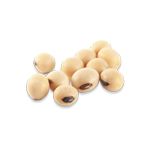
Soybean
Pests and Disease management Tobacco caterpillar & Gram pod borer
Symptoms
-
Every year, the soybean crop is reported to be increasingly infested by Gram pod borer as well as Tobacco Caterpillar resulting in heavy yield losses.
-
They are polyphagus with more egg laying capacity and the larvae of this pest remain gregarious for 4-5 days and feed on the chlorophyll content of the leaves.
-
Infested plants can be easily spotted in the field. Later on, larvae disperse on neighbouring plants and damage the leaves by cutting big holes.
Mangement
-
Use of recommended seed rate.
-
Install insect-specific pheromone trap at 4-5 locations in the field. Care should be taken to use clean cloth while handling the septa.
-
Use bird perches at 8-10 locations in the field facilitating easy access for birds to feed on insect larvae.
-
Regular monitoring of the field and destruction of egg mass/caterpillar in early stage of tobacco caterpillar.
-
Use castor as trap crop
-
Spray the crop with biological pesticides like HaNPV 100 LE/acre for Heliothis and SlNPV 100 LE/acre or Bacillus thuringiensis / Beauveria basiana @ 400 ml/acre.
-
Spray the crop with 1% Azadirachtin @ 400ml/acre.
-
Spray neemastra and brahmastra of 40-50 ml/lit water for the control of pests.
-
Spray HaNPV (10 larvae per 15-liter tank) mixed with 5 ml Ujala and 100 g jaggery.
-
For herbal treatment, apply a mixture made from pungent chili, ginger, garlic, onion, and a sticker at 900 ml per tank.
-
Use commercially available organic inputs such as Beauveria bassiana 1.15% W.P.
-
Additionally, install 10 pheromone traps and 1 light trap per acre for effective pest management.
You must be logged in to post a comment.